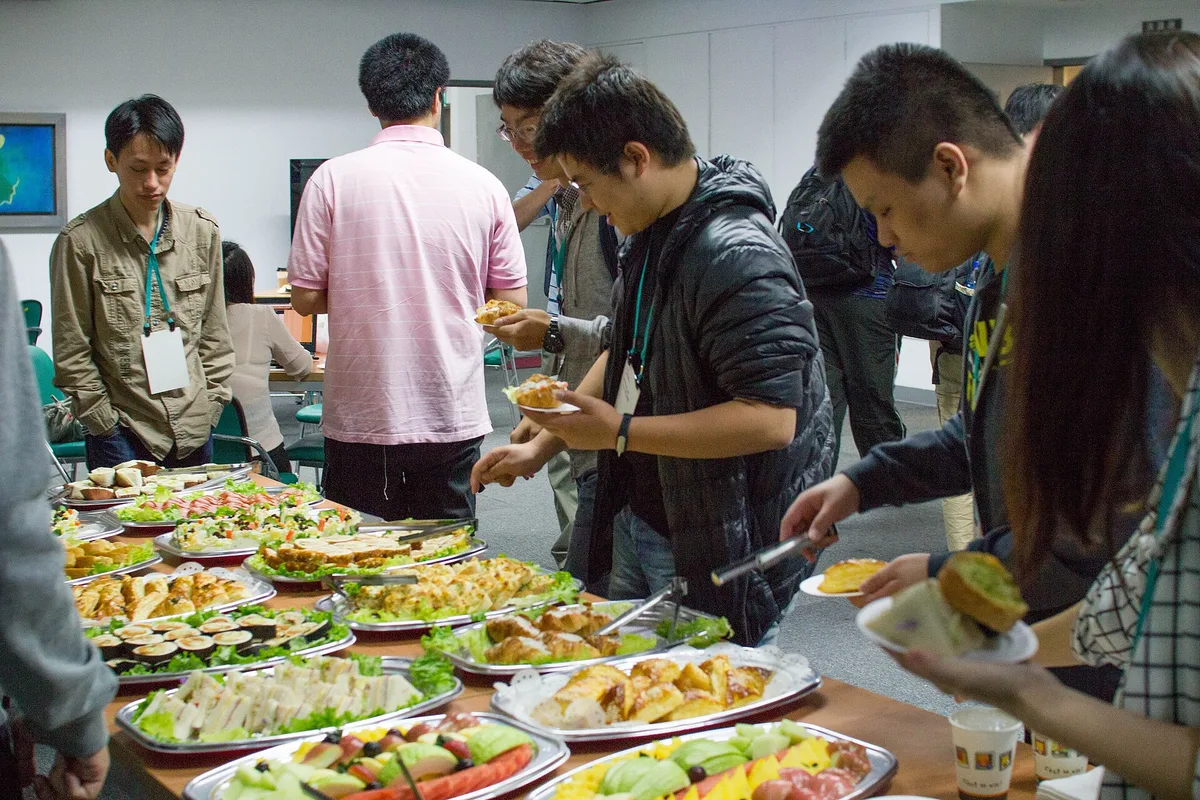
A civic tech hackathon runs on a short engine: open data goes in, working prototypes come out, and the cycle fits inside a weekend. Agencies bring problem statements. Volunteers form teams and build. The format works because the raw material, public data, already exists before anyone arrives.
The catch sits after the demo. A weekend can prove an idea, but it cannot maintain one. That maintenance gap runs through all of government technology, and it also explains why government websites fail and what fixes them.
Scale is not the constraint. NASA calls Space Apps the largest annual global hackathon (NASA Space Apps), a two-day build that draws hundreds of local events around open space data. The same civic tech pattern, at every size, converts records into software for a weekend. Process decides what happens after.
Where Does the Weekend Get Its Raw Material?
From open government data, now by statute. The OPEN Government Data Act, Title II of the Foundations for Evidence-Based Policymaking Act of 2018 (P.L. 115-435), requires agencies to publish information online as open data in machine-readable formats, with metadata listed in the Data.gov catalog (Data.gov).
That rule changed what one laptop can reach on a Saturday. Open data had been a policy; the act made Data.gov a requirement in law, according to the site’s own summary. States, cities, and counties run catalogs too, and the federal search folds their datasets into the same results. The feed matters more than any single event, because the data outlasts it. We covered a connected angle in Digital Services: Why Government Websites Fail and What Actually Fixes Them.
Who Sets the Problems?
The host agency does, in writing, before the doors open. NASA’s subject matter experts author the challenge statements for Space Apps and answer participant questions in real time during the event. Smaller events follow the same shape: 18F’s event page lists expert talks, networking, and build time as the whole agenda. Readers following this should also see Public Meetings Online: What Open-Meeting Laws Now Require.
The paperwork side shows up in 18F’s record of a 2015 accessibility hackathon. Four organizations co-hosted, from the White House science office to a local legal hackers group. The legal hook came first: federal websites must be accessible by law, so the problem was written into the invitation itself. The event ran on March 31, 2015, at a GSA conference center in Washington.
What Can a Weekend Actually Produce?
A working draft, judged before the room empties. Space Apps runs two days, then routes every submission to judging by subject matter experts who select global award winners. The one-day version compresses the same beats into office hours.
- Problem briefs come from the agency, tied to a statute or a mission.
- Data access comes from catalogs the law already requires.
- Teams form on site and build against the brief.
- Judged demos close the event.
NASA’s account adds that participants have gone on to form companies and build careers from their projects. That is an organizer’s claim, and it carries recruitment overtones. The judged-demo pipeline, though, matches the published schedules at both scales.
Why Do So Many Projects End on Sunday Night?
Because a demo and a product need different owners. The weekend team dissolves at the closing. What remains needs a maintainer, a data feed that keeps refreshing, and a security review before real users depend on it. The statute supplies the data; it assigns no ownership.
The workaround is leaving artifacts others can pick up. 18F captured the live notes from its 2015 event and posted the snapshot publicly the next day, so the weekend left a record instead of a memory. Problem statements, data catalogs, and published schedules serve the same purpose: they let the next team start from evidence rather than scratch.
Conclusion: The Weekend Is the Intake Valve
A civic tech hackathon compresses months of specification work into two days of drafting. The statute feeds it machine-readable data, the agency writes the briefs, and judges close the loop on quality. What the format cannot supply is the second weekend, the one that maintains. The public records show exactly where the handoff stalls. The reform question is who accepts it.