How to Analyze a Company Before You Commit Time to It
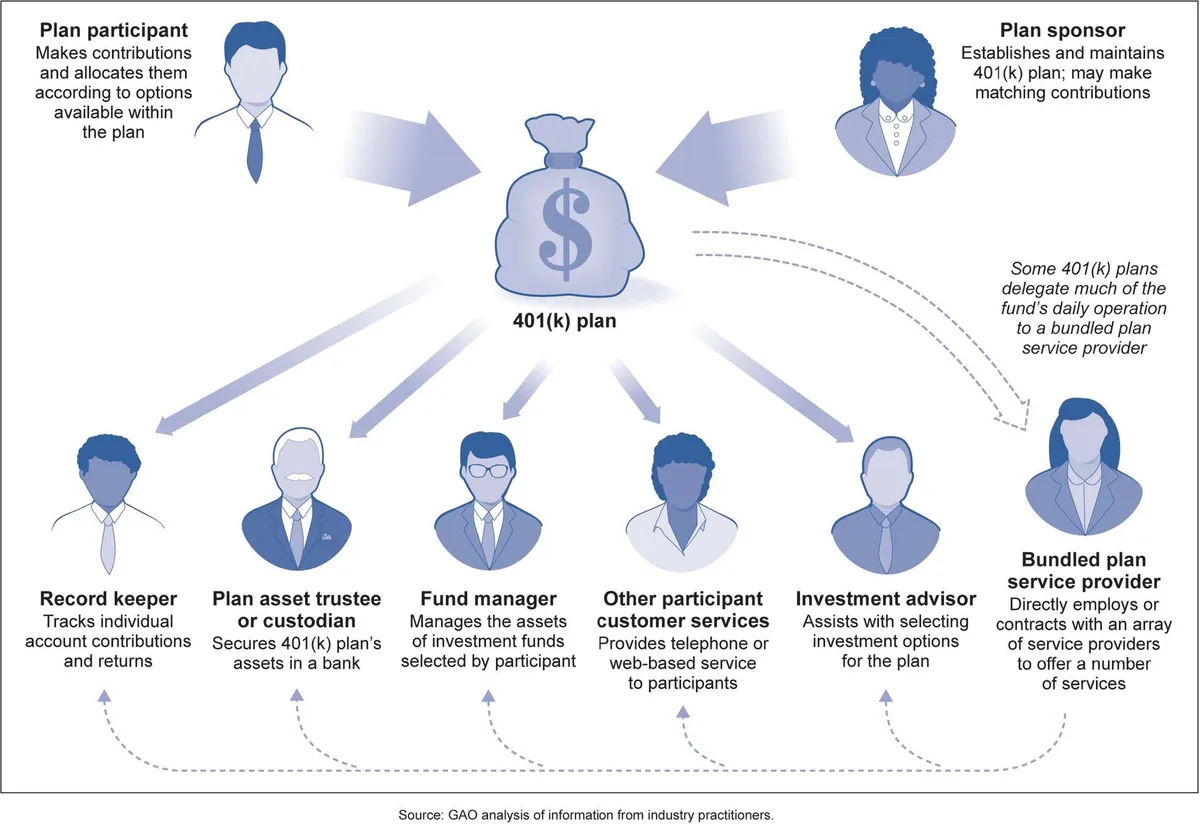
A plain framework for judging a firm's fundamentals, moat, and management — built on evidence, not enthusiasm.
Christopher Lee · September 20, 2026A plain framework for judging a firm's fundamentals, moat, and management — built on evidence, not enthusiasm.
Christopher Lee · September 20, 2026A new book from Georgetown's McCourt School tests the oldest rule of campaign politics — attention wins — against data from 2016, 2020 and 2024.
Henrik Larsen · September 17, 2026
Formal program evaluation ratings promised a budget driven by evidence. The record shows why the tool was retired — and where the rating impulse went next.
Asha Venkataswamy · September 13, 2026
Most government website failures trace to procurement and ownership, not technology — and the documented turnarounds came from giving a named team authority over the user experience.
Asha Venkataswamy · August 28, 2026
A losing bidder's protest to the Government Accountability Office can stop a federal contract cold. The mechanism runs on two statutes, a 100-day clock, and a narrow set of overrides.
Valentina Sokolov · August 21, 2026
Nine states hand congressional map-drawing to citizens instead of legislators. California and Texas just showed how a legislature gets around one anyway.
Valentina Sokolov · August 15, 2026The 1883 Pendleton Act ended the spoils system by building an exam-based service — and every modern reform fight is still about the same seam: competence versus responsiveness.
Valentina Sokolov · July 23, 2026Three decades of tying budgets to performance metrics produced better reports and barely changed allocations — the binding constraint was never the measurement.
James Wellington · June 30, 2026
A protest freezes a federal contract award long before GAO rules on the merits — the automatic stay, not the final decision, is usually what determines the outcome.
Valentina Sokolov · August 17, 2026
The certification is central; the authority to operate is not. A step-by-step look at what a FedRAMP package proves, what the statute obliges agencies to reuse, and where the process still stalls.
Asha Venkataswamy · August 14, 2026
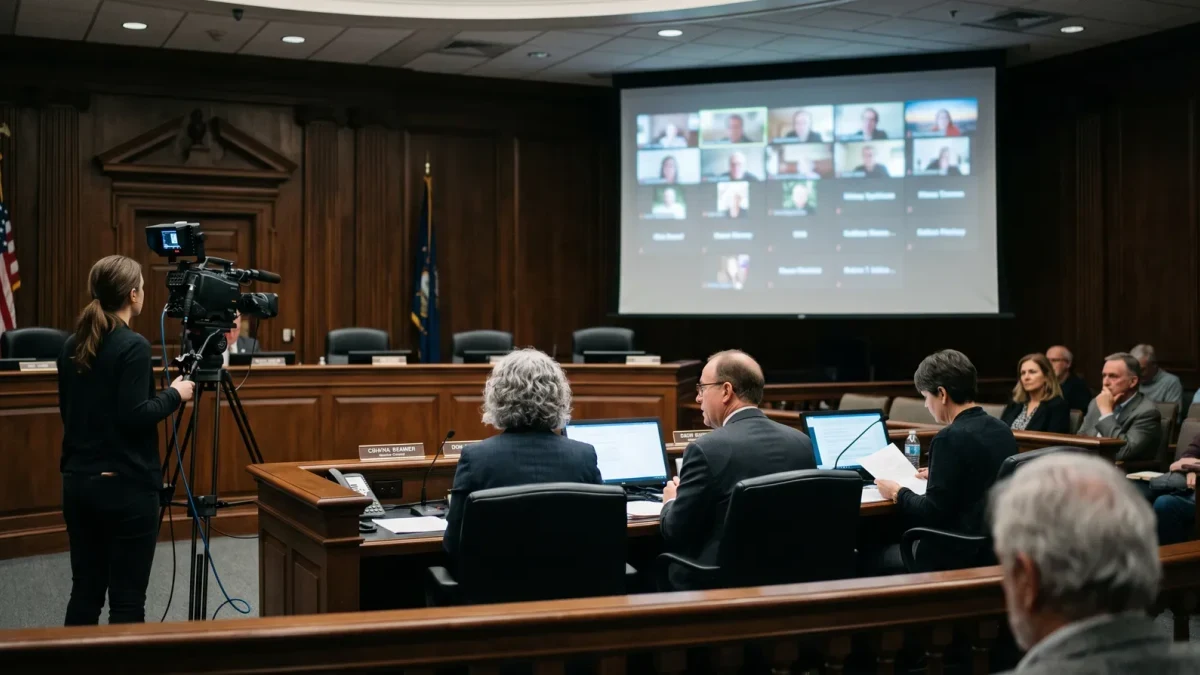
Sunshine laws written for in-person assemblies are being amended for video — the live question is whether a meeting you cannot watch in practice still counts as open.
Asha Venkataswamy · July 27, 2026
Social Security still arrives by direct deposit on schedule while emergency relief waits weeks on prepaid cards — the difference is payment rails, data matching, and who bears the delay.
Asha Venkataswamy · July 5, 2026
The Freedom of Information Act promises responses in twenty working days — the queue lives elsewhere, in referral chains, fee arguments, and litigation tabs.
Asha Venkataswamy · June 12, 2026
The 2018 law ordered agencies to inventory their data, name chief data officers, and open what can be opened — the quiet work is behind schedule and genuinely changing how government knows itself.
Asha Venkataswamy · August 10, 2026
A decade of federal grants meant to retire decades-old jobless-benefits code ran into staffing gaps and contracting delays, then a 2025 funding cancellation forced states to rescale projects mid-build.
Christopher Lee · August 10, 2026Trust has fallen from 77 percent in 1964 to a quarter of Americans today, and the research is clear about what moves it: competent service, not messaging.
Asha Venkataswamy · July 18, 2026Public-sector performance metrics get gamed by routine — wait times redefined, backlogs re-categorized, calls deflected — and the fixes are design choices, not exhortation.
Christopher Lee · June 25, 2026
The 2023 fiscal deal created a lead agency and fixed permitting schedules for major projects — and its first test cases are now moving through the new timeline.
Valentina Sokolov · August 26, 2026
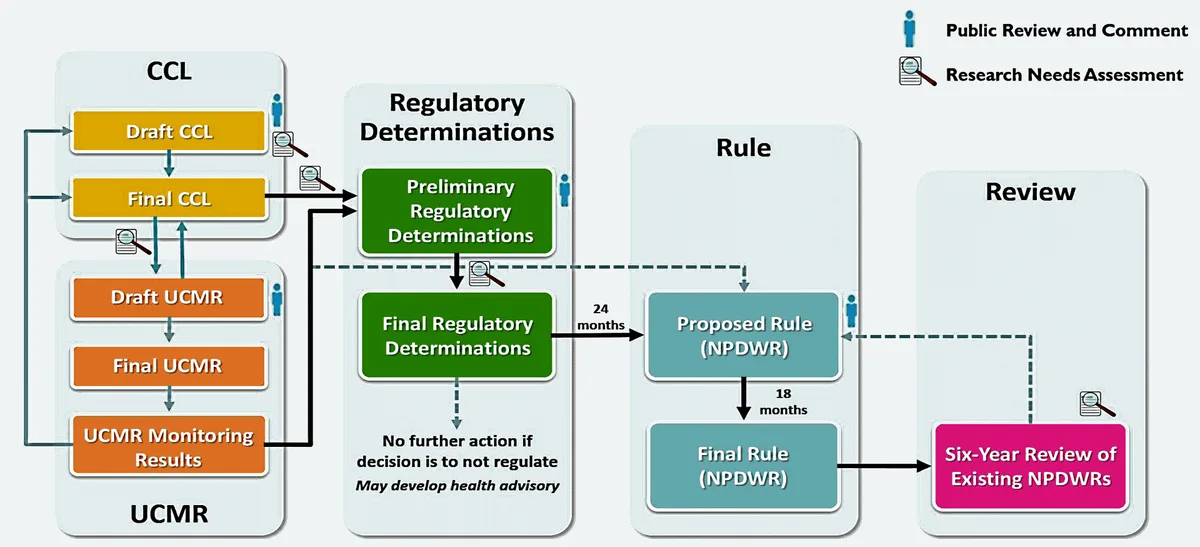
A federal rule travels from a public docket to legally binding text in roughly a year or more, and the comment period — the public's formal opening — closes whether or not anyone significant weighs in.
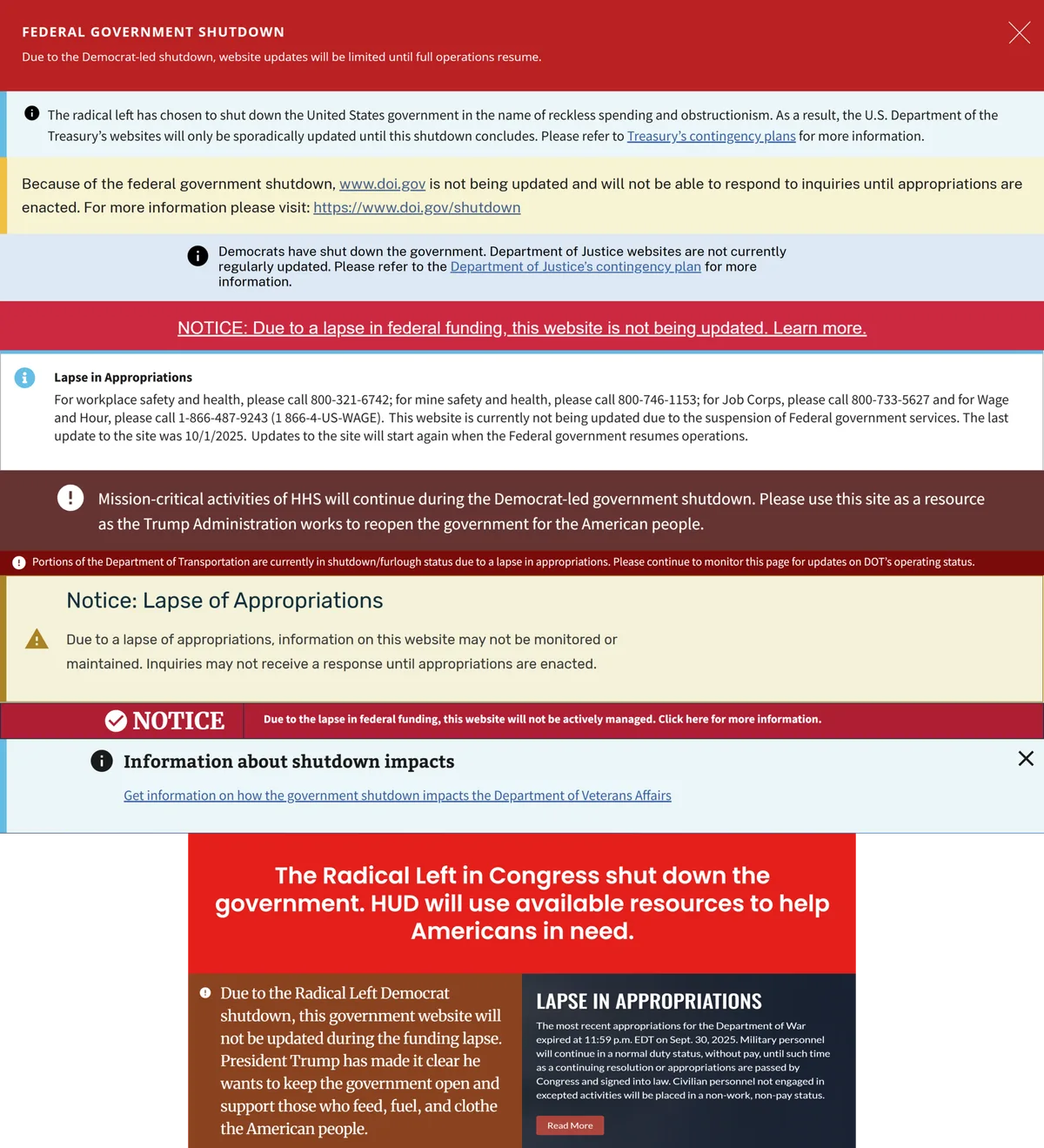
Valentina Sokolov · August 24, 2026A continuing resolution does not fund next year's priorities — it freezes last year's, account by account, until Congress finishes the job or funding lapses altogether.
Valentina Sokolov · August 19, 2026A third of significant federal rules publish in the fiscal year's final month — the product of statutory clocks, review queues, and the Congressional Review Act's lookback window.
Henrik Larsen · August 1, 2026
No candidate wins on election night without a majority. Here is the round-by-round mechanism that decides the winner, and why it can take days.
James Wellington · August 23, 2026
A single market-research finding decides whether a federal contract is reserved for small firms — here is the threshold, the math, and the paperwork that follows.
James Wellington · August 12, 2026Who carries the risk decides everything — the Federal Acquisition Regulation's contract-type ladder runs from firm-fixed-price to cost-plus-percentage, with the dangerous rungs marked.
James Wellington · August 5, 2026A large share of annual contract dollars obligates in the fiscal year's final weeks — use-it-or-lose-it appropriations meet expiring funds and a well-documented spending rush.
James Wellington · July 14, 2026