Every U.S. state has an open-meetings law — the sunshine statutes that require public bodies to notice, hold, and record their meetings publicly, on the model of the federal Government in the Sunshine Act of 1976 for multi-member agencies. The pandemic forced an unplanned natural experiment: bodies that had met in person for decades moved to video conferences under emergency orders, and attendance by the public, in many documented cases, went up. When the emergency orders lapsed, states faced a legislative choice — return to physical presence requirements, keep remote meetings, or hybridize — and the past several sessions have produced a wave of amendments whose differences are the substance of this piece.
What the laws actually require
The core obligations are stable across states. Advance notice with agenda — typically posted a fixed number of days ahead, in a designated place, increasingly online by statute. Open session by default, with closed sessions only for enumerated reasons — litigation, personnel, real-estate negotiations — and a recorded vote to enter them. Minutes kept and approved publicly. What varied was presence doctrine: many states required physical quorums or treated telephonic participation as exceptional, and pandemic-era amendments loosened those rules temporarily, some sunset-ting, some permanent.
What changed permanently
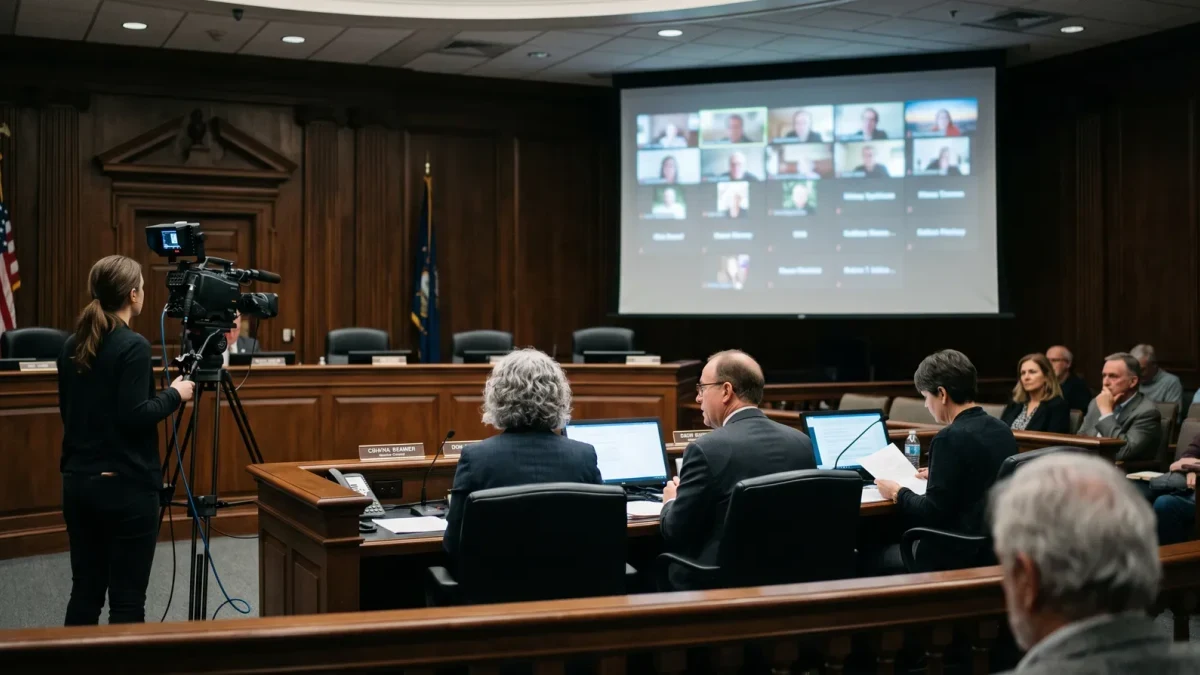
Three converging shifts, visible across state legislative sessions and the federal Chief Information Officers' guidance for hybrid meetings. Statutory remote access: a majority of states now expressly allow some or all members to participate remotely, often with conditions — a quorum physically present, or remote attendance capped. Broadcast as a requirement, not a courtesy: several states and many municipalities now mandate that meetings be streamed and archived online, a shift reinforced by accessibility law, since remote access with captioning serves disabled constituents whom physical rooms systematically underserved. And written public comment channels: the practical replacement for the two-minute in-person slot, with bodies adopting portals and email comment into their official procedures.
The new failure modes
Online meetings did not remove the old games; they digitized some and invented others. Notice gaming in the small: agendas posted late Friday, agenda items vague beyond usefulness, links changed at the last minute. Technological exclusion: meetings held on platforms requiring accounts or apps, phone-only access dropped, or streams that fail without a rebroadcast or rescheduled vote — practices sunshine advocates flag in their state-by-state reviews. Comment management: muting, time limits enforced unevenly, and comment read but not answered, which converts participation into theater. And the deeper structural risk documented in open-government foundation reports: hybrid meetings where the real deliberation has moved to unelected staff email threads — which is a public-records problem wearing a meetings costume.
How to tell if a body is actually open
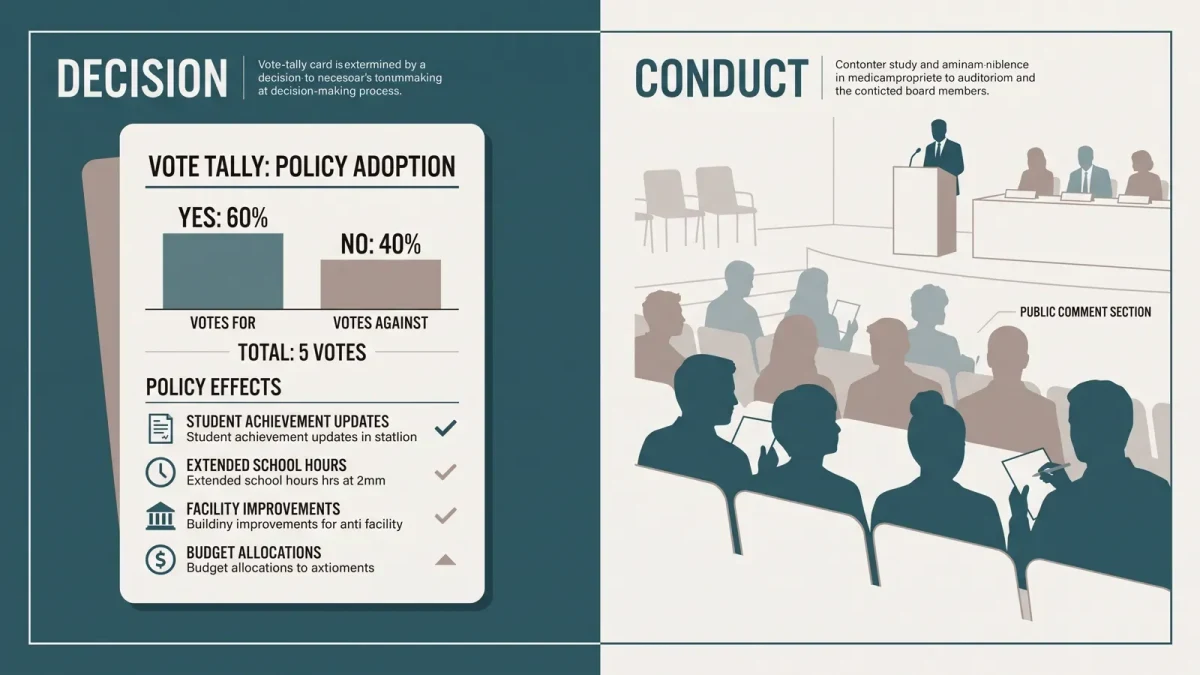
Practical tests, in descending order of severity. Does the agenda name the action items — ordinances, votes, contracts — or only topics? Is the stream reliably available without an account, and is the archive posted with a stable link within the statutorily promised time? Are votes recorded per member, including remote members? And do public comments appear in the minutes with the body's response? A body failing the last two is complying with the letter of its statute and dissolving its substance.
FAQ
What is an open-meetings or sunshine law?
A state or federal statute requiring public bodies to give advance notice, hold meetings publicly, limit closed sessions to enumerated topics, and keep public minutes — the federal version is the 1976 Government in the Sunshine Act.
Can public bodies meet remotely now?
In a growing majority of states, yes, under pandemic-era amendments made permanent — often with conditions like a physical quorum or caps on remote members; the details vary by state.
Must meetings be streamed online?
An increasing number of states and municipalities require streaming and archiving, driven partly by accessibility obligations; elsewhere it remains a local practice rather than a duty.