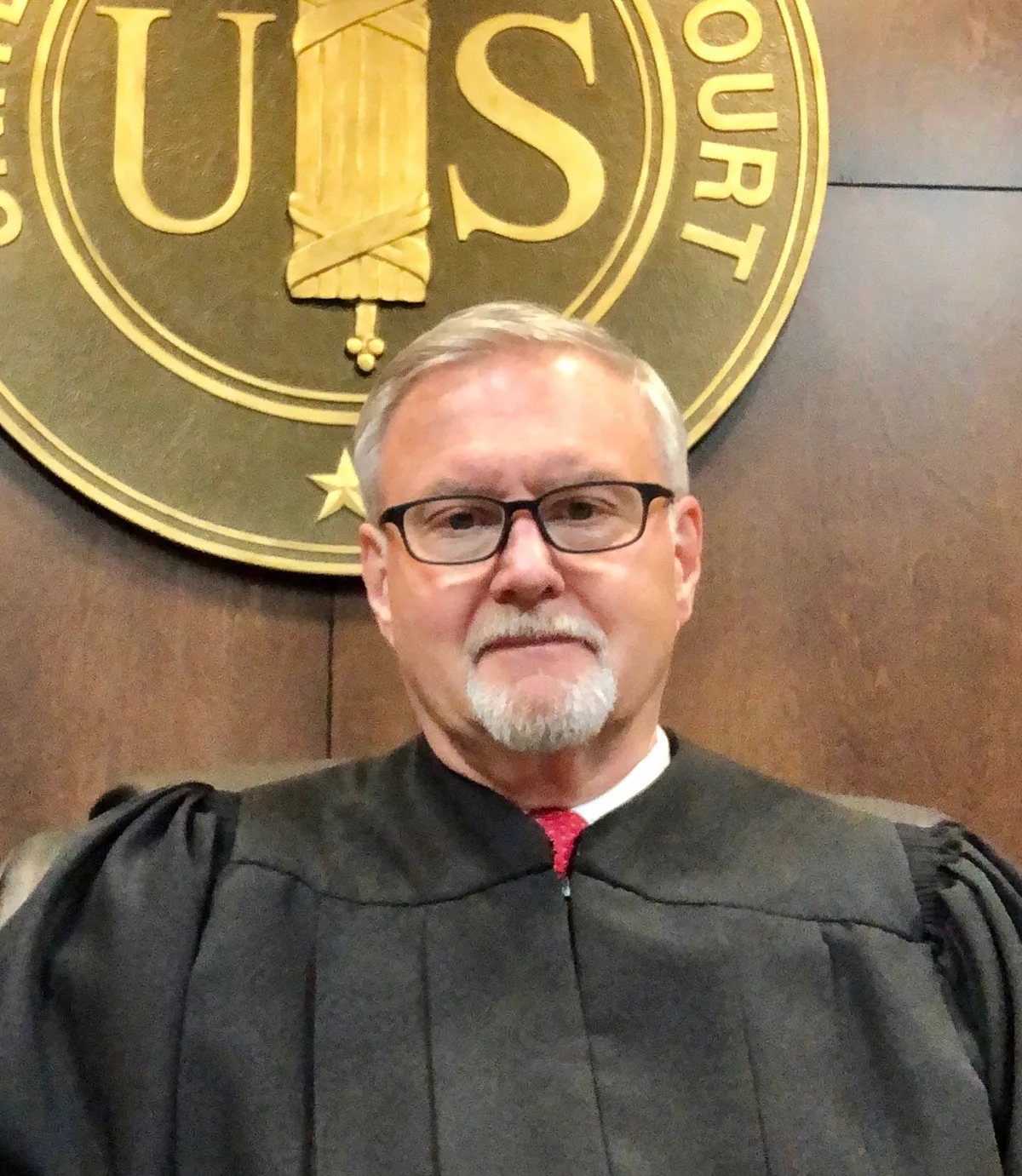
Most people picture a courthouse when they think of a trial. Few picture a conference room inside a federal agency. Yet many disputes are decided in exactly that setting. The judge is an administrative law judge, often shortened to ALJ. These officials run trials inside the executive branch. They decide cases about benefits, licenses, and penalties.
This guide explains what ALJs do, how they are chosen, and how their hearings differ from court. It also looks at where their power ends.
What an Administrative Law Judge Does
An ALJ is a judge and trier of fact inside a government agency. The judge presides over trials, administers oaths, takes testimony, and rules on questions of evidence. The role rests on the Administrative Procedure Act, the 1946 law that set uniform rules for formal agency hearings.
Congress wrote that law after years of complaints. Procedures varied from office to office, and so did the titles of the people who ran hearings. Early officials were called hearing examiners. The job grew fast in the 1950s and 1960s. In 1972 the Civil Service Commission created the title administrative law judge, and agencies soon adopted it. We covered a connected angle in Two Years After Chevron: How Agencies Now Write Rules.
How ALJs Are Chosen
Federal ALJs are not political appointees. The law requires a scored testing process. It includes a written exam and an oral exam before a panel. That panel draws members from the Office of Personnel Management, the American Bar Association, and the ranks of sitting ALJs.
Appointments must also fit the Appointments Clause of the Constitution. That clause places the choice with the President or a department head. Senate confirmation is not required, because ALJs count as inferior officers.
What Happens at a Hearing
The hearing itself looks a lot like a small trial. Witnesses take an oath and testify. Lawyers question them. The judge controls the record and rules on evidence. Readers following this should also see After the Record CRA Year: 22 Rules Repealed, an Asymmetry Left Behind.
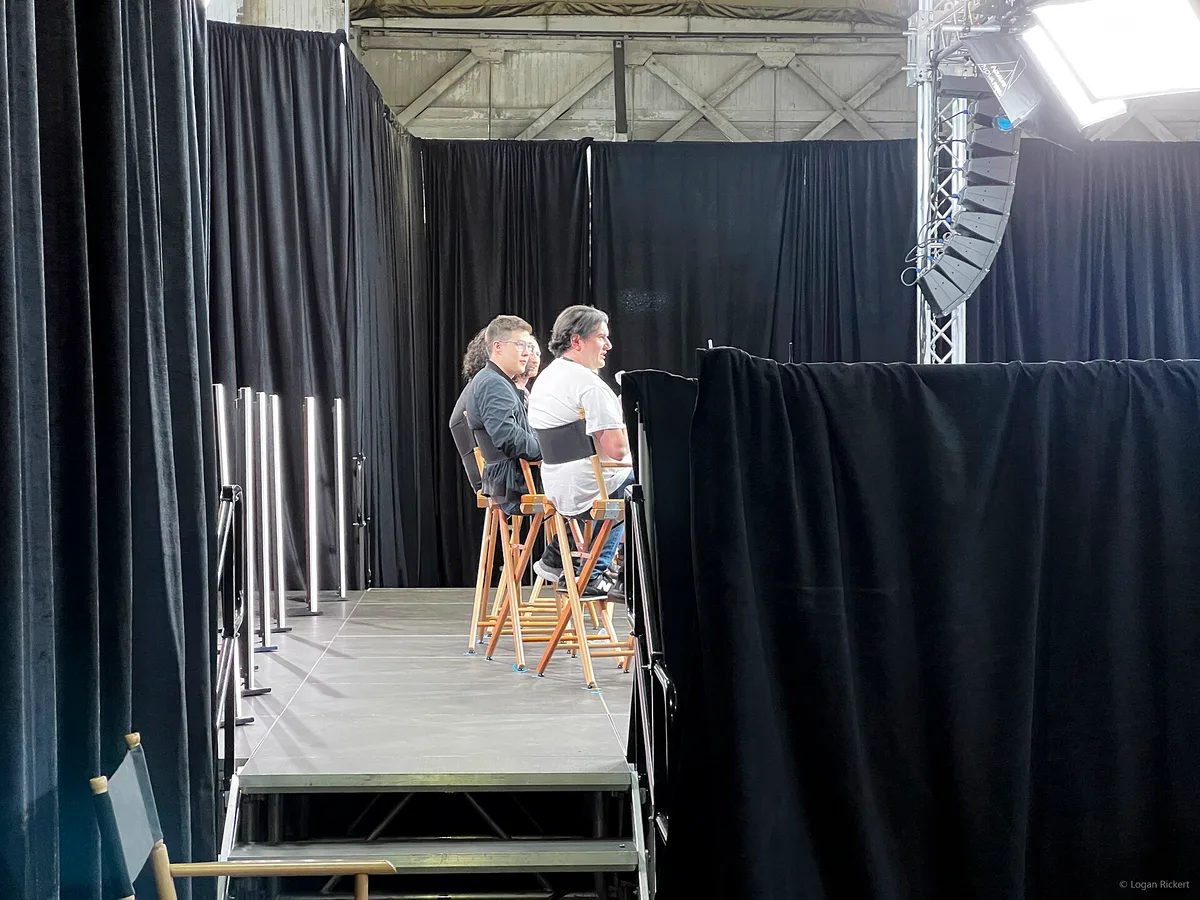
The setting varies a lot. At the Social Security Administration, procedures are simple and less formal by design. Other agencies run complex multiparty cases. The Federal Energy Regulatory Commission is one example. Dress varies too. Some ALJs wear robes and hold hearings in rooms that look like small courtrooms. Others work in business suits in ordinary conference rooms.
After the Ruling
An ALJ issues a written decision. In many agencies that decision becomes final unless the head of the agency reviews it. Parties can appeal along the agency’s own channel, and often into court. The stakes are real. A ruling can restore benefits, revoke a license, or confirm a fine.
Who shows up also matters. Agency lawyers often argue the government side. Outside counsel or legal aid may appear for the other party. Evidence arrives in exhibits. The judge marks each one and keeps the record clean. A tidy record matters later, because appeals work from the same file.
Independence and Its Limits
ALJs occupy a strange middle ground. The Supreme Court has said their role is functionally comparable to that of a trial judge. Yet they remain part of the executive branch, not the judicial branch. Their power stops at the jurisdiction their agency’s statutes give them.
That split has drawn legal challenges. In 2024 the Supreme Court ruled that the SEC could not use ALJ proceedings for securities fraud claims that carry a right to a jury trial. The decision narrowed where agency trials can replace court juries.
The setting changes who feels at ease. A courthouse carries weight. A hearing room can feel less formal, and that can help a witness speak freely. Still, the rules of evidence and the oath give the process its spine.
Conclusion: Trials Without a Courtroom
Administrative law judges decide real cases with real consequences. They follow a process Congress built for uniformity and fairness. The setting may be a hearing room, not a courthouse. For anyone whose benefits, license, or business hangs on an agency case, that room is where the trial happens.