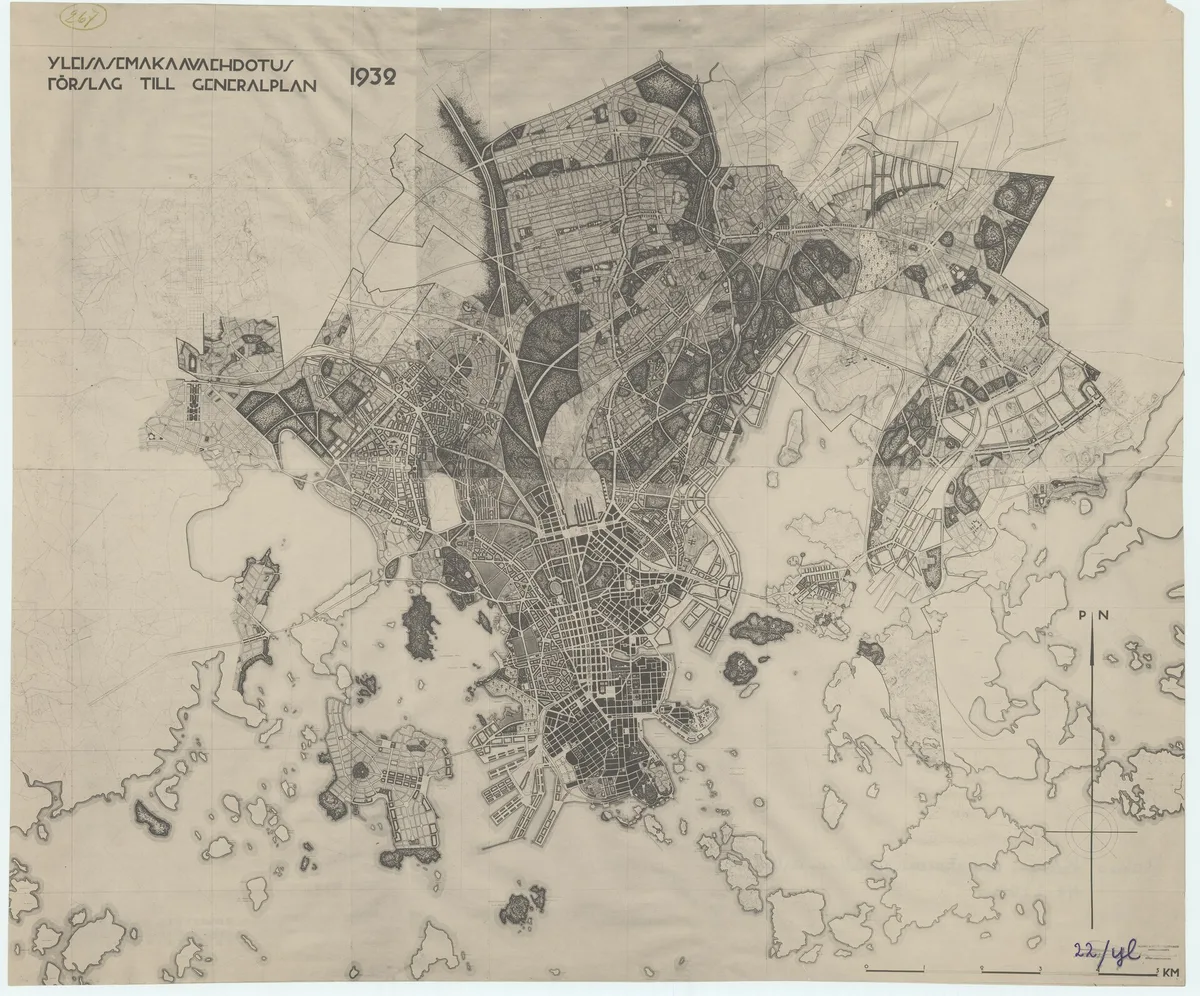
Zoning runs on two documents. A map splits a city into districts. A code lists what each district allows. Change either one, and the local amendment procedures take over through published steps. The system spread from a model act of the 1920s. It stuck because the Supreme Court upheld zoning in 1926. Its tightest bottleneck today is the single-family district.
State law is the caveat. Zoning is a power states hand to cities. The same fight lands differently across state lines. The model act behind most codes was printed in May 1924 and ran to nine sections. Procedure decides outcomes here as it does in federal buying, where the 100-day protest clock controls bid challenges.
The policy news desk follows where these debates land. One reason zoning laws explained in plain language still confuse readers is that the term covers two documents and one old court ruling. Sorting those layers first makes the rest easier to follow.
Where Does the Power to Zone Come From?
Zoning is local, but the script was federal. In 1921 the Commerce Department convened an advisory committee on zoning under Secretary Herbert Hoover. Its A Standard State Zoning Enabling Act carried a grant of power. It let a legislative body divide local territory into districts. It stated a purpose, and it set procedures for establishing and amending the rules. A city had to appoint a zoning commission before writing a code. The drafting record shows key decisions on the board of adjustment, the body that handles case-by-case relief. States turned the template into their own enabling laws. That is why codes across state lines look like relatives.
Why Did the Courts Uphold It?
Euclid, Ohio, tested the idea. A realty company attacked the village’s ordinance, and in 1926 the Supreme Court upheld it. Zoning rules, the opinion held, are constitutional when they have some relation to public health, safety, or the general welfare. A nuisance, it argued, "may be merely a right thing in the wrong place -- like a pig in the parlor instead of the barnyard." The Court also set the review standard still in use. If the validity of a zoning classification is "fairly debatable," the legislative judgment must be allowed to control. It saw nothing arbitrary in barring apartments from single-family districts. That holding shaped a century of suburbs.
What Do Today's Debates Change?
Current fights aim at the single-family map itself. Oregon passed House Bill 2001 in 2019, and its bill summary shows the mechanism a state-level reform uses.
- State law sets the floor. Cities with population greater than 10,000, plus any city within Metro, must allow duplexes on lands zoned for single-family dwellings inside the urban growth boundary.
- Larger cities, above 25,000, and Metro counties must go further and allow middle housing on residential land.
- The Land Conservation and Development Commission drafts model ordinances, so cities do not start from a blank page.
- Local governments either amend their plans and land use rules to conform, or apply the model ordinance directly.
An Oregon statute binds no other state, and what transfers between jurisdictions varies. The lesson holds anyway. The decisive player is the statehouse, not City Hall. Officials who want change need their legislature. Residents who want to stop change know the same address. We covered a connected angle in Bid Protests: How the 100-Day Clock Actually Works.
Conclusion: Read the Map, Then the Code
Zoning debates sound like arguments about houses and traffic. The machinery underneath is narrower. A state grant of power and two local documents, plus published procedures, decide almost everything. A model act of the 1920s set the shape. A 1926 ruling blessed the districts. Modern legislatures are now editing the rules their predecessors copied. A reader who tracks those layers can follow nearly any zoning fight back to its source. Readers following this should also see How to Read a Policy Proposal Like an Analyst.