An executive order is a written directive from the President to the executive branch, with the force of law inside the administration it manages. The authority is old — George Washington issued proclamations, and every president since has issued orders — and the modern numbering and publication system runs through the Federal Register, where every order since 1936 is printed and indexed. The instrument's power and its limits both follow from the same source: an order is legitimate only insofar as it directs how the executive branch executes authority Congress has already given it, or exercises powers the Constitution vests in the President directly.
What an order can do
Three buckets cover most legitimate use. Executive-branch management: reorganizing components within existing law, setting procurement priorities, directing agency rulemaking processes — the mechanics on display in every administration's day-one orders. Statutory delegation: when a statute gives the President or an agency discretion, an order exercises it, and its legality then rests on staying inside the delegation's boundaries. And foreign-affairs and emergency powers: sanctions, emergency declarations under the National Emergencies Act, and related authorities Congress has conditioned but granted. The publication requirement — orders take effect upon Federal Register publication — is not a formality; it is what makes orders challengeable and knowable.
The three hard limits
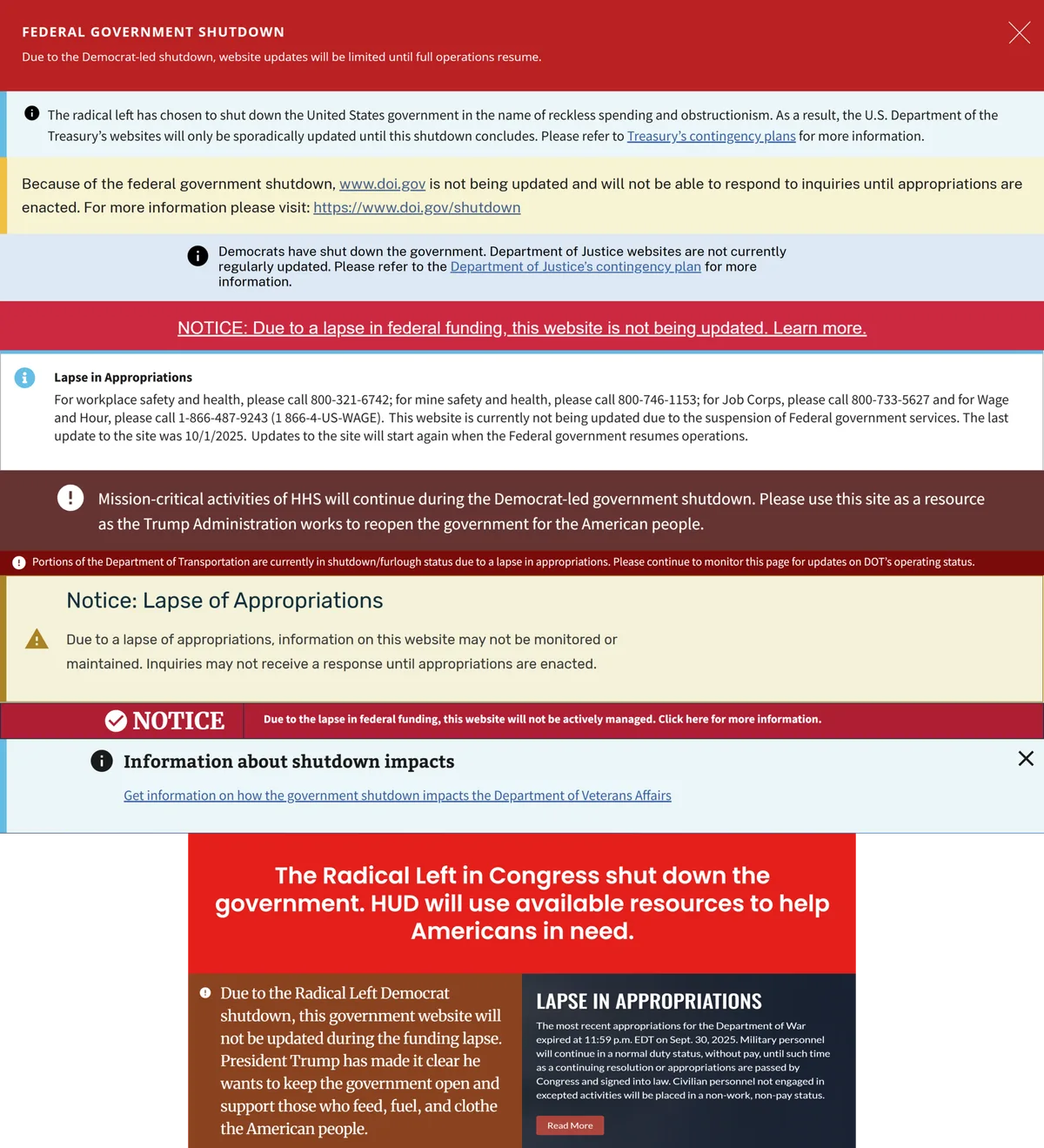
First, no appropriations: the spending clause belongs to Congress, and orders cannot obligate unappropriated money. Administration initiatives that try — through impoundment-adjacent freezes or reprogramming beyond transferred authority — run into the Congressional Budget and Impoundment Control Act of 1974 and the Antideficiency Act, the same statutes that structure shutdowns. Second, no statute amendment: an order cannot override an act of Congress, and where orders have conflicted with statutes, courts have enjoined them regardless of the administration in office. Third, no permanence: each president revokes predecessors' orders by signature — the American Presidency Project's order archive shows entire policy frameworks reversed in successive Januarys — which is why durable policy is legislated, not ordered. Judicial review polices all three limits; the volume of injunctions against executive actions in recent administrations, across parties, is the enforcement record.
Why the instrument gets overused
The political economy explains it. Congress legislates slowly and narrowly; an order publishes in days. Orders test legal boundaries at zero legislative cost to the issuing president, and the worst case — a court stays the order — returns the status quo while the political message has already been delivered. The cost lands downstream: agencies absorb whiplash as directives reverse, and compliance staff spend their weeks re-implementing what a signature undid. Government Accountability Office management reviews have documented the churn cost in exactly these terms for policy-by-order areas.
How to read any executive order
A four-question test, in order. What authority does the order cite — statute, Constitution, or nothing? Who is bound — executive agencies only, or does it purport to reach private parties and states, where the order's reach is weakest? What money does it assume, and is that money appropriated? And what is the revocation clause — does it supersede prior orders by number, which tells you what it actually changes? Readers who apply the test will predict most judicial outcomes before the first complaint is filed.
FAQ
Is an executive order a law?
It has the force of law within the executive branch but is not legislation — it must rest on statutory or constitutional authority and cannot contradict an act of Congress.
Can a president spend money by executive order?
No. Appropriations belong to Congress; orders cannot obligate unappropriated funds, and attempts run into the 1974 Impoundment Control Act and the Antideficiency Act.
How are executive orders undone?
By a later president's signature — revocation or supersession is routine — by Congress legislating around them, or by courts enjoining them as ultra vires.