Most campaign materials tell you what a candidate values. They rarely tell you how that candidate would govern. The gap matters most at the local level, where a council member or select board actually votes on zoning, budgets, and construction contracts. Good questions to ask local candidates are therefore questions about mechanism: who decides, where the money comes from, and what happens when a plan meets a deadline.
This checklist is built to survive any election cycle. It covers three areas where local government touches daily life most directly — housing, infrastructure, and fiscal planning — and it works whether you are vetting a mayoral hopeful or a candidate for a five-person planning board. Ask the same questions of everyone, and the differences in the answers tell you more than any mailer. This connects to our earlier piece, The GAO High-Risk List, Mid-Cycle: 38 Areas and One New Entrant.
A note on method first. A candidate's answer is a proposal, not a fact. Before weighing it, it helps to know how to read a policy proposal like an analyst: who bears the cost, who gets the benefit, and what the plan assumes will go right. The questions below are designed to pull those assumptions into the open.
What should you ask about housing?
Housing is where campaign rhetoric and land-use mechanics collide hardest. Nearly every local candidate says housing is important. Few volunteer what their position implies for the zoning map. The useful questions force that implication out.
- Where specifically would you allow more homes to be built, and what would have to change in the zoning code for that to happen? A candidate who cannot name a district, a corridor, or a parcel is describing a value, not a plan.
- What is your position on permitting timelines? Long review processes raise the cost of every project, including the ones everyone supports. Ask what a reasonable review period looks like and who should be accountable for meeting it.
- Who bears the cost of the infrastructure your housing position requires? New homes need water, sewer, roads, and schools. A serious answer connects the housing map to a capital plan.
Watch for the strongest counter-argument in every housing debate: existing residents often bear concentrated costs, such as construction disruption or parking pressure, while the benefits are spread thin across future residents. A candidate who acknowledges that trade-off honestly is more credible than one who promises everyone wins.
Which infrastructure questions reveal real priorities?
Infrastructure promises are cheap because the bill arrives after the election. The questions that work here are about sequencing and maintenance, not ribbon-cuttings.
- What does the town or city currently own, and what is the backlog of deferred maintenance? Repairing what exists usually competes directly with building something new. A candidate who has looked at the asset list can speak to that competition; one who has not will talk only about the new thing.
- How would you fund the project you keep mentioning — grants, bonds, or the operating budget? Each source has different consequences. A grant has strings and a deadline. A bond is repaid over decades. Operating money competes with services. The funding mechanism is the position.
- What is your view on the permitting and review process for major projects? Federal experience shows why this matters: as our coverage of federal permitting explains, backlogs persist until someone owns the clock. The same logic applies to a county road or a sewer upgrade.
Our analysis: the single most revealing infrastructure answer is the maintenance one. Candidates who can discuss a maintenance backlog have read the capital plan. Candidates who cannot have read the press release.
How do you probe a candidate on fiscal planning?
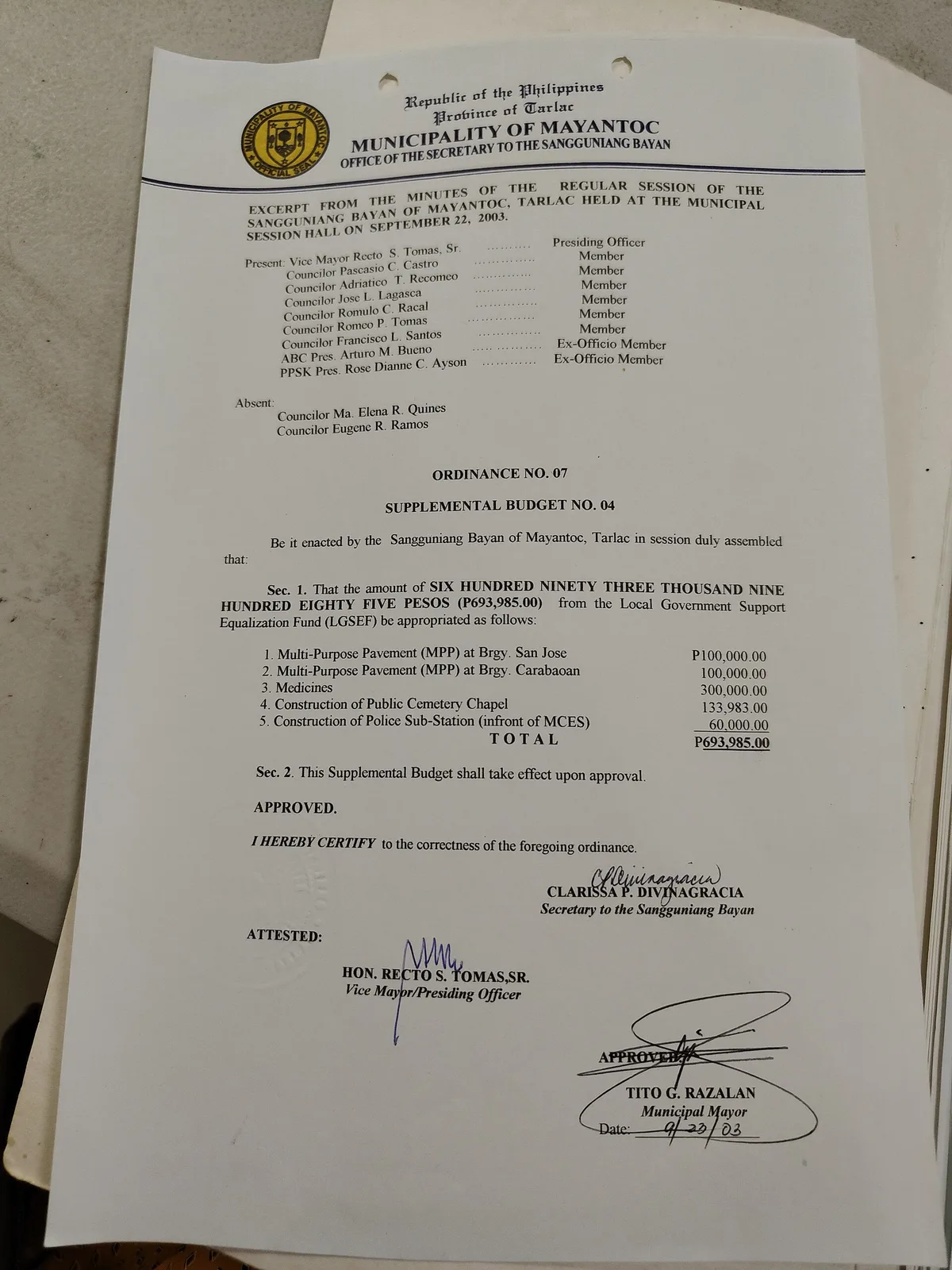
Fiscal questions separate candidates who have studied the budget from candidates who have studied the tax bill. Start with structure, not totals.
- What are the largest fixed commitments in the budget, and how much flexibility do they leave? Pension contributions, debt service, and contracted services are often locked in before a board debates anything discretionary.
- What would you cut first if revenue fell short of plan? A candidate unwilling to name anything is deferring the decision to circumstance. That is a legitimate answer only if the candidate says so plainly.
- Do you support using one-time money for recurring expenses? This is the classic structural test. Windfalls spent on permanent programs create a gap that opens the moment the windfall ends.
For context on where the money actually goes, our explainer on municipal budgets walks through the categories that dominate a typical local budget. Comparing a candidate's answer against that structure quickly shows whether the answer is grounded.
One caution applies to all fiscal answers: figures change with the fiscal year, and a number quoted without a date is not information. If a candidate cites a budget figure, ask which year it is from and what document it comes from. The answer to that follow-up is often more useful than the original claim.
How should you weigh the answers you get?
Three tests separate a substantive answer from a performance. First, specificity: a real answer names a document, a district, or a mechanism. Second, trade-offs: a real answer concedes what it costs or gives up. Third, falsifiability: a real answer implies something that could later be checked — a timeline, a funding source, a vote.
Be evenhanded in applying these tests. Vague fiscal answers come from every party and every ideology. So do vague housing answers. The checklist is deliberately party-neutral because the mechanics of zoning, procurement, and budgeting do not have a party. A candidate who is fluent in mechanism deserves credit regardless of party; a candidate who hides behind values deserves the same skepticism regardless of party.
It also helps to know what the office can actually do. Local candidates sometimes campaign on national issues their position cannot touch. Asking "what decision will you personally vote on, and when?" grounds the conversation in the actual powers of the seat. For the federal level, our primers on rulemaking and executive orders show how sharply limited even national tools can be — a useful calibration when a school board candidate promises to fix a national problem.
What this means for your next ballot
The checklist reduces to a habit: ask about mechanism, ask about trade-offs, and ask what could be checked later. Housing questions should surface a place and a rule change. Infrastructure questions should surface a funding source and a maintenance position. Fiscal questions should surface a first cut and a view on one-time money. Any candidate who answers all three concretely has done the homework, whatever you think of the conclusions. Any candidate who answers all three with values language has not — and the numbers, when they finally arrive, will not support the promises.