Every September, the Federal Register thickens. Federal rulemaking has a fiscal-year rhythm, and analyses of publication data going back decades — including the regulatory studies centers' counts of significant rules — consistently find a disproportionate share of final actions crammed into the last weeks before September 30. The surge is not laziness. It is three clocks converging: the fiscal-year calendar that funds programs and staff plans, the Office of Management and Budget review process whose queues lengthen as the year ages, and — since 1996 — the Congressional Review Act's lookback window, which gives late rules a very different political fate than early ones.
Where the surge comes from
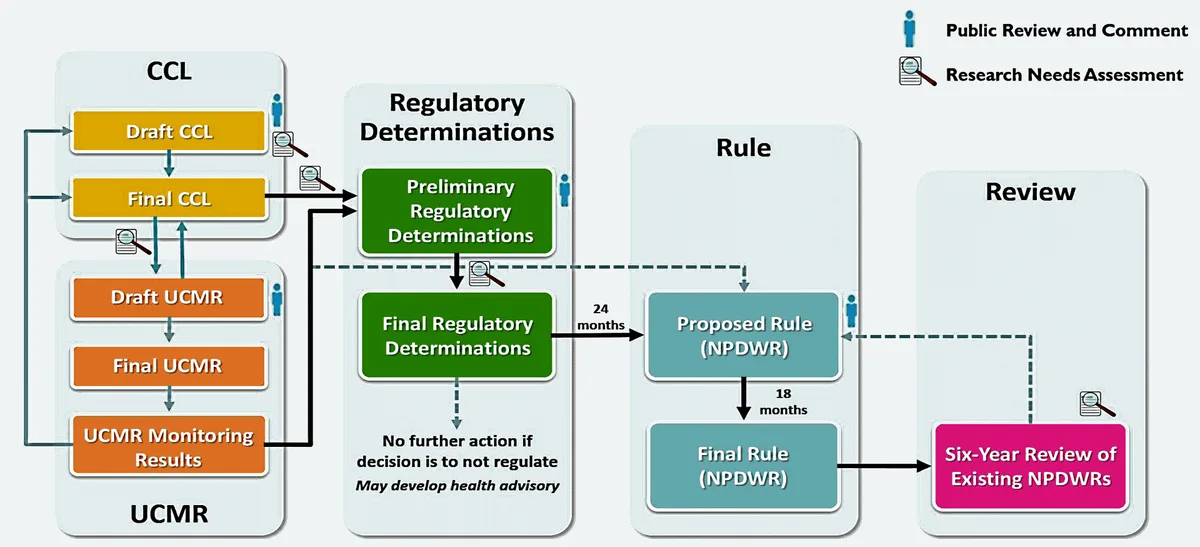
The Administrative Procedure Act sets the core timing: notice-and-comment rulemaking requires a proposed rule, a comment period, and a final rule, but no deadlines bind the gaps. Agencies fill those gaps with their own calendars, and the dominant one is the fiscal year. Program offices want rules in place before October 1 so new requirements apply to a full year of activity; clearing reviews — Office of Information and Regulatory Affairs review for significant rules, plus interagency clearance — takes longer as more rules queue; and litigation-avoidance pushes agencies to finalize before anticipated transitions. The equilibrium is a publication burst: rules that could have finalized in July finalize in September, because every dependency upstream slipped a little.
The CRA lookback, counted backwards
September publication has a strategic dimension since 1996. Under the Congressional Review Act's lookback provision, rules submitted to Congress within roughly 60 legislative days of a session's end count as newly submitted when the next Congress convenes — meaning a rule published in, say, August or September of an election year can be repealed by simple majorities in the following session, with the incoming President's signature. The 2025 record — 22 CRA resolutions overturning prior-administration rules, per Harvard Regulatory Review's accounting — consisted largely of rules that landed inside exactly that window. Sensible agencies know this: finalizing major rules early in a term insulates them from the lookback, which is one reason unified agendas front-load major actions in odd-numbered years and why the final months of any Congress see both a rule surge and a repeal runway being built simultaneously.
What the surge costs
The quality costs are documented and predictable. Comment integration compresses: a rule proposed in April with a June comment deadline is harder to finalize carefully by September than one with a full year, and Government Accountability Office rulemaking reviews have repeatedly noted comment-processing timelines as a constraint. Compliance dates bunch: regulated parties face multiple new requirements on October 1, concentrating implementation costs the way tax deadlines concentrate filing. And legal vulnerability rises: rushed final rules present thinner administrative records, and post-Chevron courts construing statutory text independently are not deferential to compressed reasoning. The pattern is so stable that regulated industries staff for it — the September compliance sprint is an annual event in legal and regulatory shops.
FAQ
Why do so many federal rules come out in September?
Fiscal-year timing, lengthening review queues, and the desire to have rules effective for a full program year converge on the weeks before September 30.
What is the CRA lookback window?
Rules submitted to Congress within roughly its final 60 legislative days count as resubmitted to the next Congress — exposing late-session rules to repeal by simple majorities, as 2025's record 22 repeals demonstrated.
Does the September surge hurt rule quality?
It can: compressed comment integration and thinner administrative records raise legal vulnerability — a real cost with courts no longer deferring to agency readings.