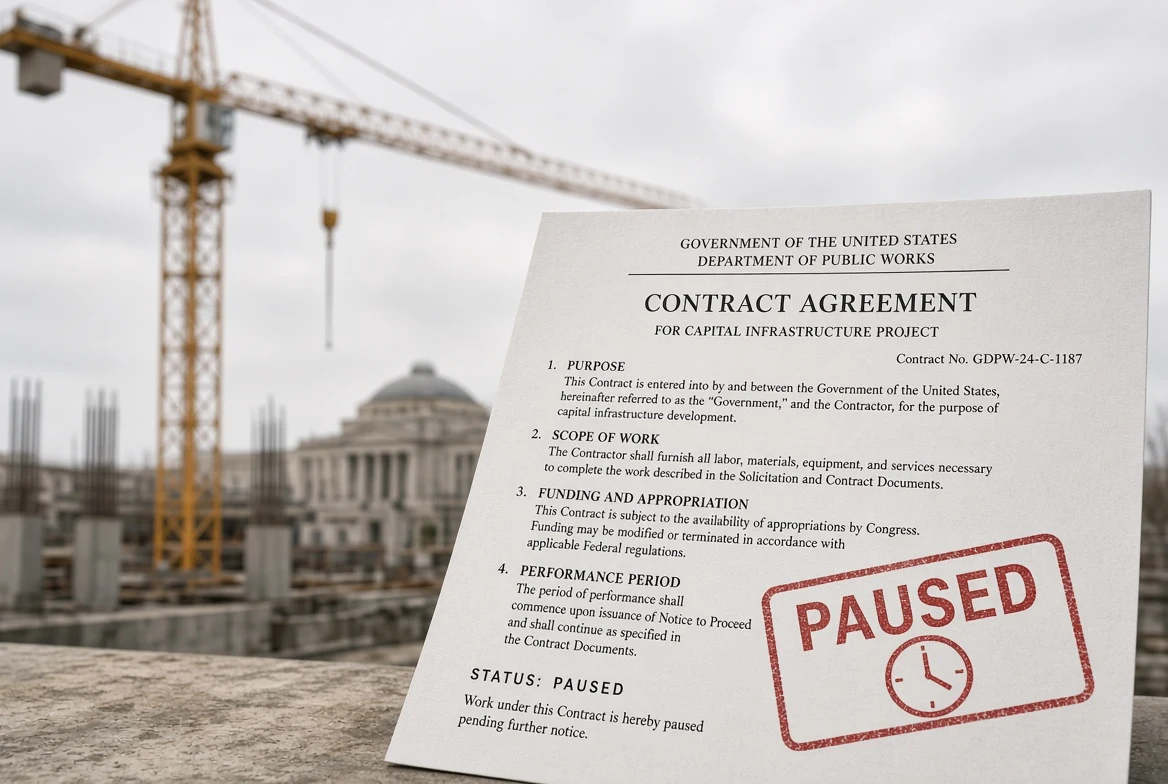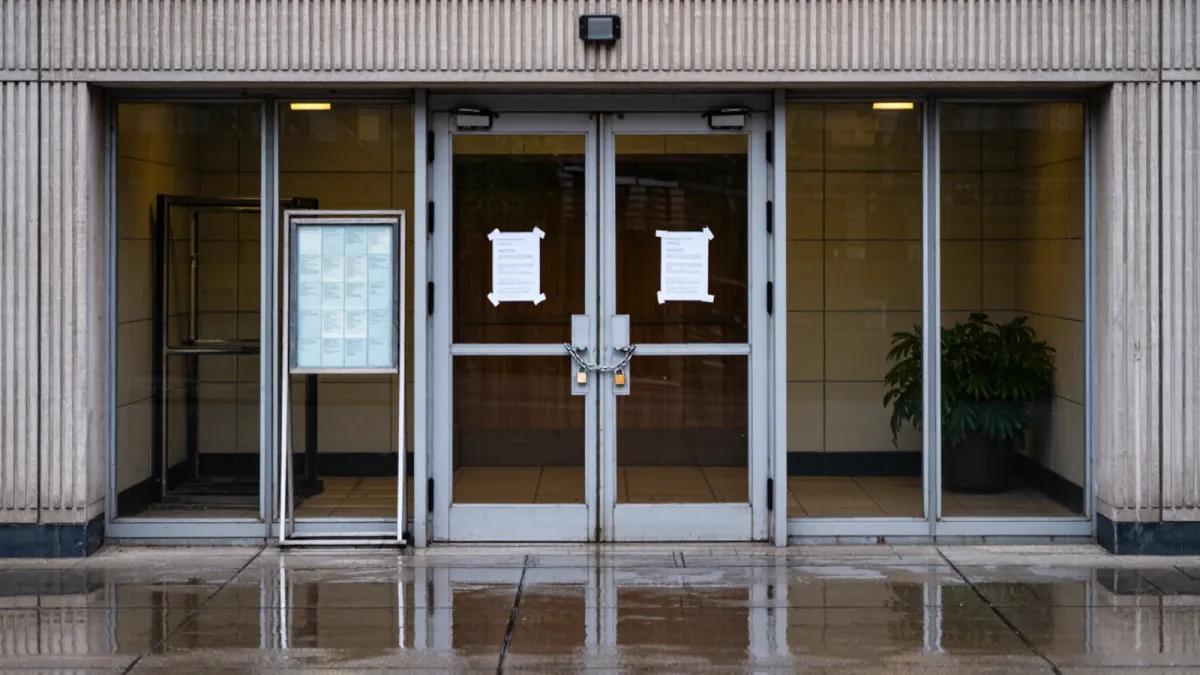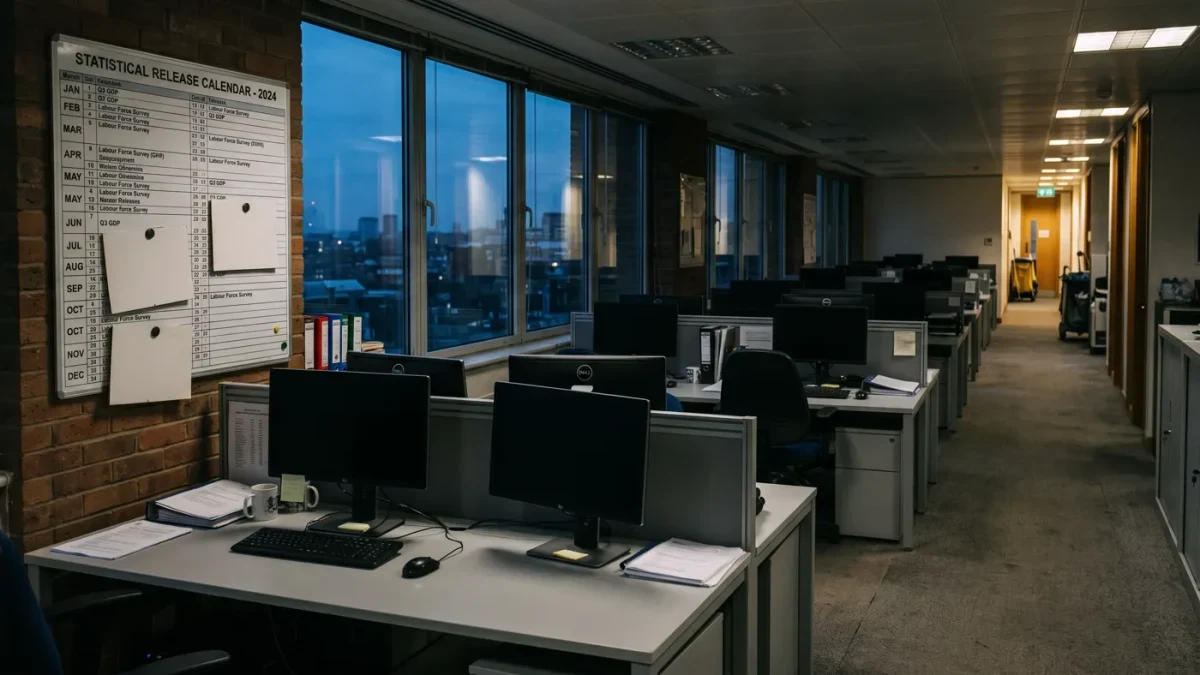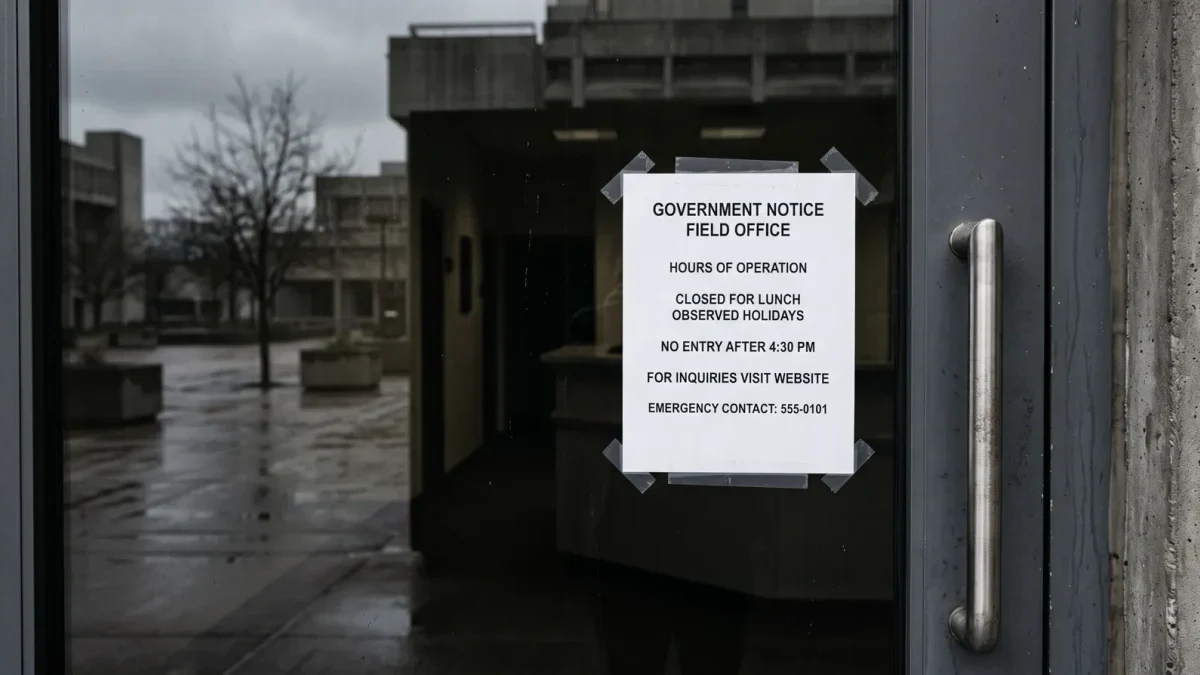
A government shutdown stops appropriated activity when funding lapses, and its costs are routinely miscounted as merely deferred. The Congressional Budget Office estimated the five-week December 2018–January 2019 shutdown — the longest on record — reduced real GDP growth by about $11 billion in the fourth quarter and January, roughly $3 billion of which was permanently lost; furloughed federal employees received an estimated $9 billion in back pay, effectively compensation for work not performed. Those two numbers together define the mechanism: the government pays its workforce eventually, collects less in fees and taxes during the lapse, and loses output that never returns.
What the appropriations mechanics require
Under the Antideficiency Act, no federal obligation or spending may occur without an appropriation, with narrow exceptions for emergencies and programs funded outside annual appropriations — Social Security checks keep moving, Medicare continues, and user-fee-funded work continues in defined cases. Agencies file contingency plans with the Office of Management and Budget that designate excepted and non-excepted personnel; the share furloughed has ranged from under 20 percent at Defense-heavy agencies to over 95 percent at some regulatory bodies during past lapses. The 2019 lapse furloughed roughly 800,000 employees at its peak, per OMB and agency shutdown plans.
Where the costs hide
Four cost channels recur in every lapse. First, back pay plus lost output: employees are made whole under the Government Employee Fair Treatment Act of 2019, which made back pay for furloughed staff permanent law. Second, user-fee losses: national parks, immigration courts, and fee-funded permitting offices stop collecting; the National Park Service estimated millions in lost fee revenue in 2019 on top of resource damage from unsupervised parks. Third, administrative churn: every shutdown burns weeks of shutdown planning, execution, and reopening in every agency — attrition that inspections and grant processing pay for later. Fourth, contractor costs differ from employee costs: many contract employees have no back-pay guarantee, and GAO reporting after 2019 found the lapse measurably delayed federal hiring, scientific research timelines, and FAA training backlogs.
Do shutdowns ever save money?
No, and the reason is structural. The largest ongoing costs — salaries — are eventually paid in full; meanwhile the lapse suspends the fee collections, inspections, and permitting that fund themselves. The CBO's 2019 analysis is the clearest single accounting: about $3 billion in permanent fourth-quarter loss, with some catch-up growth in the following quarter as deferred activity resumed. Shutdowns also carry long-tail workforce costs: OPM surveys after the 2019 lapse documented increased employee stress and intent to leave federal service, feeding the hiring pipeline problems agencies had already reported to GAO.
Why the debt-ceiling and shutdown clocks differ
Readers often merge the two deadlines, but a shutdown is a failure to appropriate — agencies stop work — while hitting the debt ceiling binds the Treasury's ability to pay obligations already incurred. Shutdowns are disruptive; a debt-ceiling breach would be a payment-prioritization crisis, which is why market commentary treats the two risks on different scales.
FAQ
Do federal employees get paid during a shutdown?
Excepted employees work with pay delayed; furloughed employees receive back pay after the lapse, guaranteed permanently by the Government Employee Fair Treatment Act of 2019.
How much did the 2018-2019 shutdown cost?
CBO estimated about $11 billion in lost output, roughly $3 billion permanently, plus an estimated $9 billion in back pay for furloughed employees.
What keeps operating in a shutdown?
Programs funded outside annual appropriations — Social Security, Medicare — plus excepted activities involving public safety and property, per each agency's OMB-filed contingency plan.