Civictech
FOIA Portals: Where Requests Actually Stall
The Freedom of Information Act promises responses in twenty working days — the queue lives elsewhere, in referral chains, fee arguments, and litigation tabs.
Asha Venkataswamy · June 12, 2026
Reviews of the technology now standing between people and the state: digital identity, benefits portals, case management, records systems. Coverage weighs vendor claims against uptime, accessibility and contract value. For technology leads in government, procurement officers and civic technologists deciding whether to build or buy.
The Freedom of Information Act promises responses in twenty working days — the queue lives elsewhere, in referral chains, fee arguments, and litigation tabs.
Asha Venkataswamy · June 12, 2026Federal coverage maps overstated internet availability for years because the unit of measurement was the census block — the fix took a new map, a challenge process, and a lot of arguing.
James Wellington · May 20, 2026
Between a vendor's prototype and an election-day tabulator sits a two-stage gauntlet — federal testing labs, then state certification — and the clock rules everything.
Asha Venkataswamy · April 27, 2026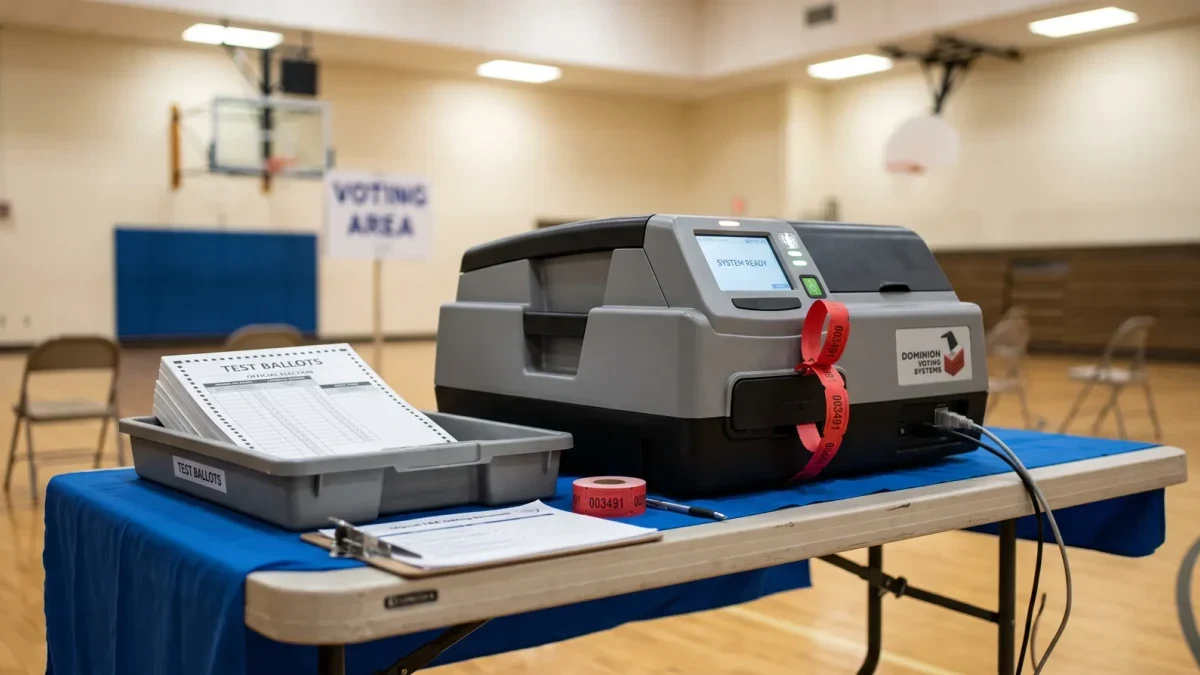
The U.S. Digital Service and 18F proved top technologists will tour government service — and their institutional lesson is that tours of duty need a pipeline, not heroics.
Asha Venkataswamy · April 5, 2026
Public-sector conversational systems mislead most at exactly the points users cannot verify — eligibility, deadlines, and appeal rights — which is why guardrails matter more than fluency.
Asha Venkataswamy · March 13, 2026