The President's fiscal 2027 budget request was due to Congress on the first Monday of February 2026 — February 2 — and that date passed without a full submission, a lapse the Committee for a Responsible Federal Budget flagged in its statement on the overdue request. By mid-March, budget-watch organizations including the Center on Budget and Policy Priorities were anticipating a partial release in late March, and the National Low Income Housing Coalition relayed expectations for the week of March 30. Missing the deadline is common and consequence-free, which is the story: the budget's legal scaffolding has one date and no enforcement, so administrations of both parties submit when the document is ready, not when the statute asks.
What the law requires, and doesn't
The Budget and Accounting Act of 1921, as amended, sets the first-Monday-of-February transmittal date — itself a 1985 tightening of the older after-the-State-of-the-Union window — and requires the President to submit a budget for the coming fiscal year. What the law does not do is attach any consequence to lateness. Congress's own budget process proceeds on its own clock under the Congressional Budget Act of 1974: the congressional budget resolution is due April 15, and it does not require the President's request to exist. The practical effect, visible again this cycle: appropriators can begin hearings and even draft bills without the request, but the policy detail — the justification books, the termination lists, the crosswalks — arrives whenever the Office of Management and Budget finishes.
Why budgets run late
The pattern is structural, not partisan. A new administration's first budget routinely arrives months late — 2017's request came in mid-March, 2021's in late May, both for transition reasons — because an incoming team inherits a document drafted to the predecessor's policies. Second-term and late-cycle delays track internal negotiation: a budget that announces hard choices the President does not want to defend yet is a liability, and holding it costs nothing statutory. The Government Accountability Office and House Budget Committee historical compilations show late submissions across administrations of both parties; the February date is best read as a norm with legal decoration.
What lateness costs downstream
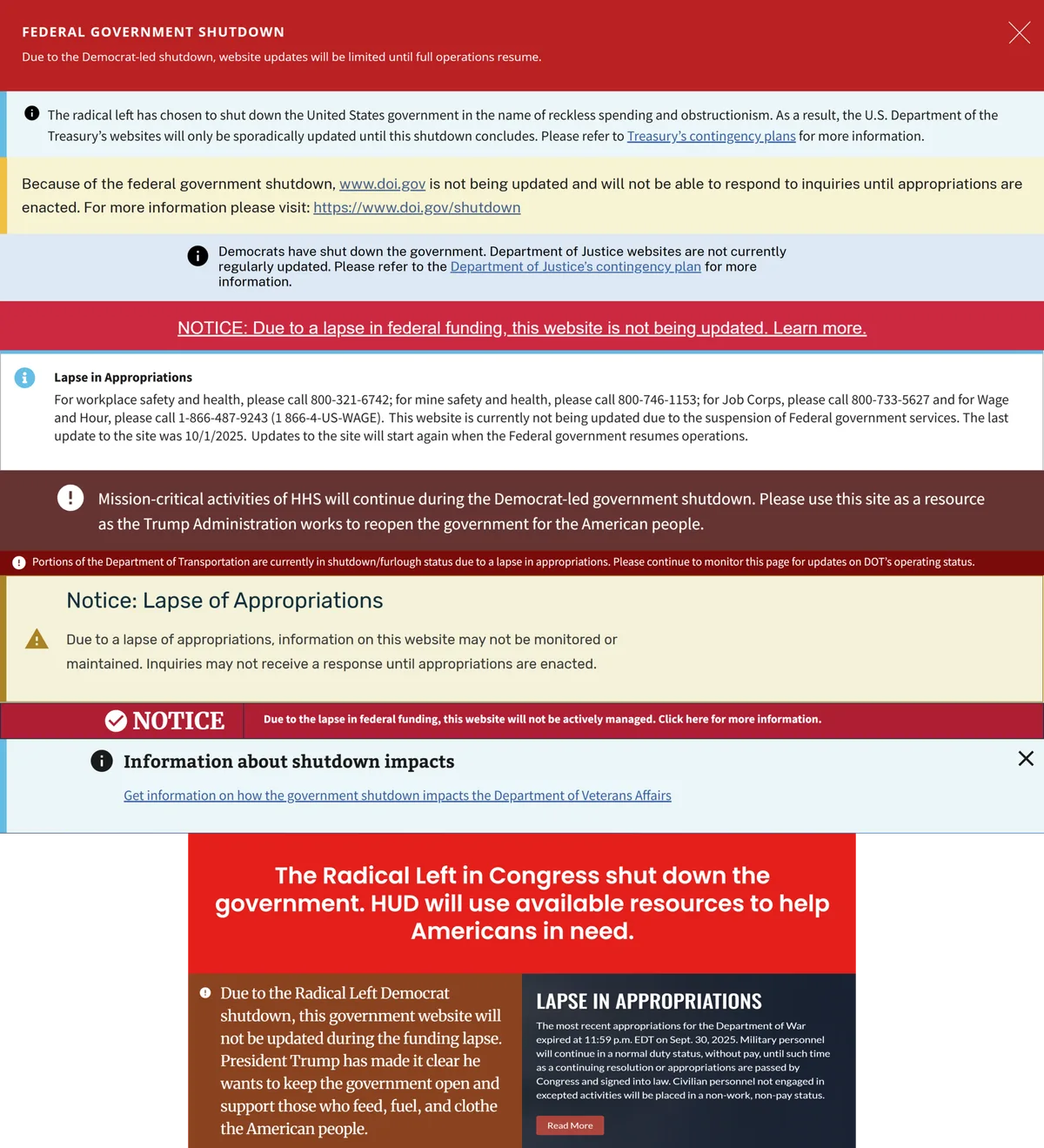
The measurable costs land in Congress's calendar. Appropriators work to the May-June markup window for the twelve subcommittee bills, and a request arriving in late March compresses the review season by weeks — more of the process shifts to continuing resolutions, the funding mechanism that has carried the government for a large share of recent fiscal years and that produced October 2025's record 43-day lapse when it failed. The late request also delays the justification books that oversight staff use to question programs, thinning hearings into the appropriations season. None of that appears as a penalty on the President; all of it appears as time pressure on everyone else.
FAQ
When was the FY2027 budget legally due?
February 2, 2026 — the first Monday of February, the statutory transmittal date — and the full request had not arrived by mid-March, with a partial release expected the week of March 30.
What happens if a President's budget is late?
Nothing automatic: the deadline carries no penalty, and Congress's own April 15 budget-resolution clock runs independently of the request.
Is a late budget unusual?
No — first-year budgets routinely arrive months late across administrations, and late-cycle delays for internal negotiation are common in both parties.